

Saudi Arabia
Arab Tribes in Egypt: History and Identity
About this Document
Document Content
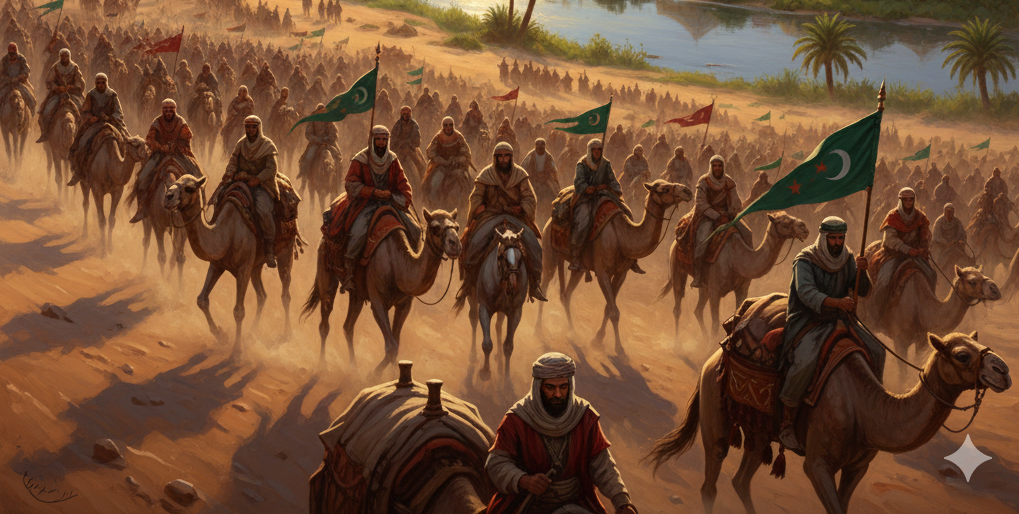
Introduction: The migration of the Banu Hilal and Banu Sulaym tribes in the 11th century (5th century AH) was not a mere nomadic movement; it was a sociological earthquake that redrew the demographic, linguistic, and political map of the Maghreb. Known as the "Taghribat Bani Hilal," this epic journey blended history with legend, marking the shift of Arab influence from the East to the furthest reaches of the Islamic West.
1. Roots and Origins (Hejaz and Najd): The Banu Hilal descend from the Mudari branch of the Adnani Arabs, having inhabited the plateaus of Najd and the highlands of Hejaz for centuries. Known for their martial prowess, severe droughts and political turmoil eventually drove them to Egypt, where they settled in Upper Egypt under the Fatimid Caliphate.
2. Political Motives (The Fatimid Strategy): The Great Migration was orchestrated by the Fatimid vizier Al-Yazuri, with the blessing of Caliph Al-Mustansir. This was a strategic retaliation against Al-Mu'izz ibn Badis of the Zirid dynasty in Ifriqiya, who had severed ties with the Fatimids. The tribes were unleashed as a "demographic weapon" to suppress the rebellion and re-establish influence through settlement.
3. The Path of Foundation: In 1050 AD (442 AH), the Hilalian tides crossed the Nile, flowing into present-day Libya, Tunisia, Algeria, and eventually Morocco. Their decisive victory at the Battle of Haydaran shattered the Zirid military and led to the collapse of the old urban administrative systems, replaced by a nomadic-pastoral structure that dominated the plains.
4. Structural Impact (Arabization): The most profound legacy of the Hilalian migration was the linguistic "Arabization" of the Maghreb. Through intermarriage and social fusion with the indigenous Amazigh tribes, the Arabic language flourished. This transformed the region into a space of Arab tribal interaction, laying the demographic foundations of modern Maghrebian societies.
Related Media

قبائل بني هلال: الهجرة والتأسيس
سكاى نيوز عربية..القوة العربية المشتركة
