Country
Analytical Study: Shifts in Egypt's Regional Role in the Middle East
About this Study
Study Content
Egypt’s regional influence has undergone successive structural transformations, reflecting a sophisticated adaptation to global systemic shifts. Since the early 1950s, Cairo firmly anchored its policy in Non-Alignment, rejecting Western-led military pacts (such as those proposed by the U.S. and Pakistan). This stance was a calculated move to preserve sovereign decision-making and resist becoming a pawn in the Cold War strategy of encircling the Soviet Union and securing Western oil interests.
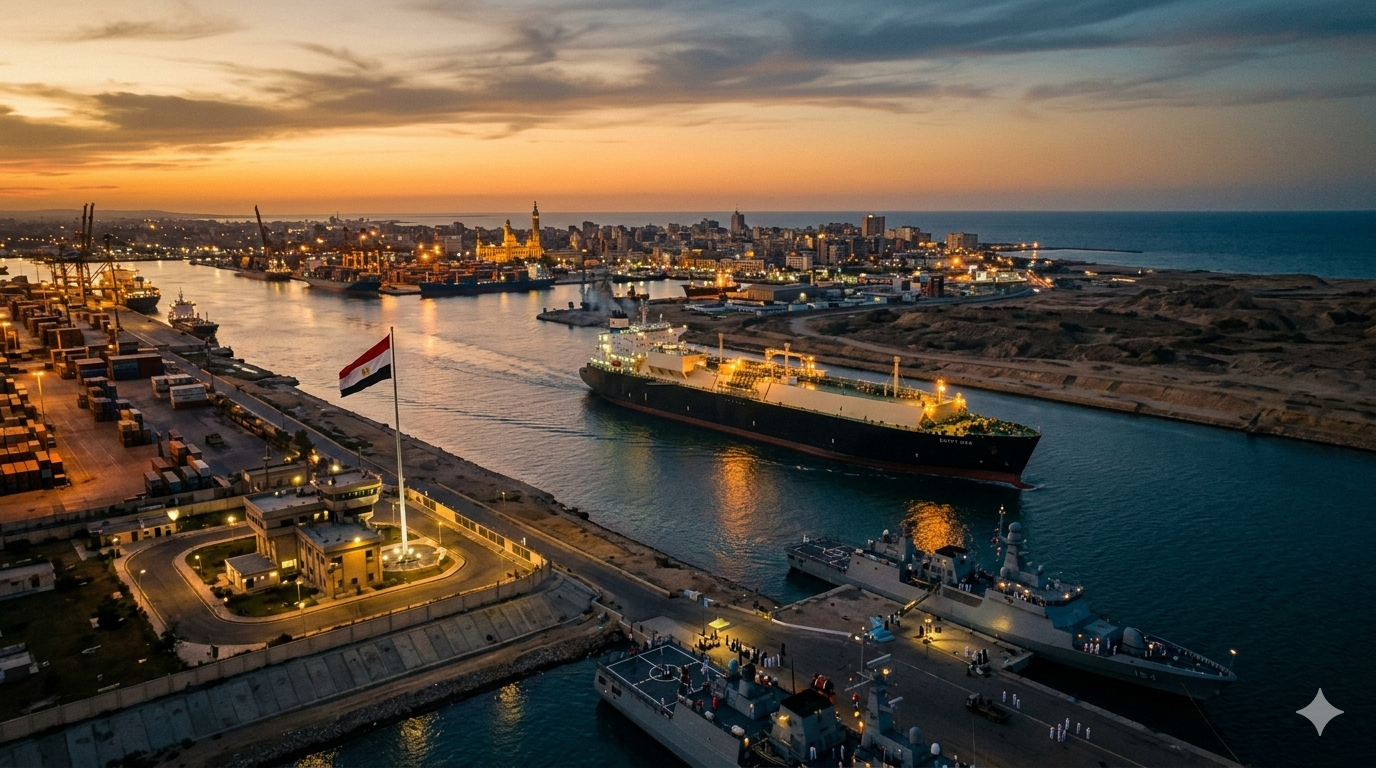
Post-1973, Egypt’s role transitioned from direct military confrontation to pioneering the regional peace process. This era redefined Egypt as a "Stabilizing Power," bridging the gap between its pan-Arab identity and pragmatic international relations. By the 1990s, this evolved into Economic Diplomacy, characterized by the Euro-Mediterranean partnership and the institutionalization of the "East Mediterranean Gas Forum." Through a strategic tripartite alliance with Greece and Cyprus, Egypt successfully repositioned itself as a pivotal "Regional Energy Hub" for European markets.
In response to the surge of transnational terrorism and the geopolitical fragmentation in Libya and Syria, Egypt projected a robust Security Leadership. Cairo’s doctrine treats the stability of the Arab regional system as an extension of its own national security. Simultaneously, Egypt deepened its economic footprint in the Nile Basin, particularly with Sudan, achieving significant trade surpluses and launching multi-billion dollar integrative projects.
Finally, the Egyptian state utilized Soft Power and strategic communication to rebrand its international image. By navigating the transitions of the international order—from bipolarity to unipolarity and towards the current multipolar tendencies—Egypt has maintained a delicate balance, ensuring strategic autonomy while fostering parallel partnerships with the U.S., Europe, and the Arab world.