Font Size:
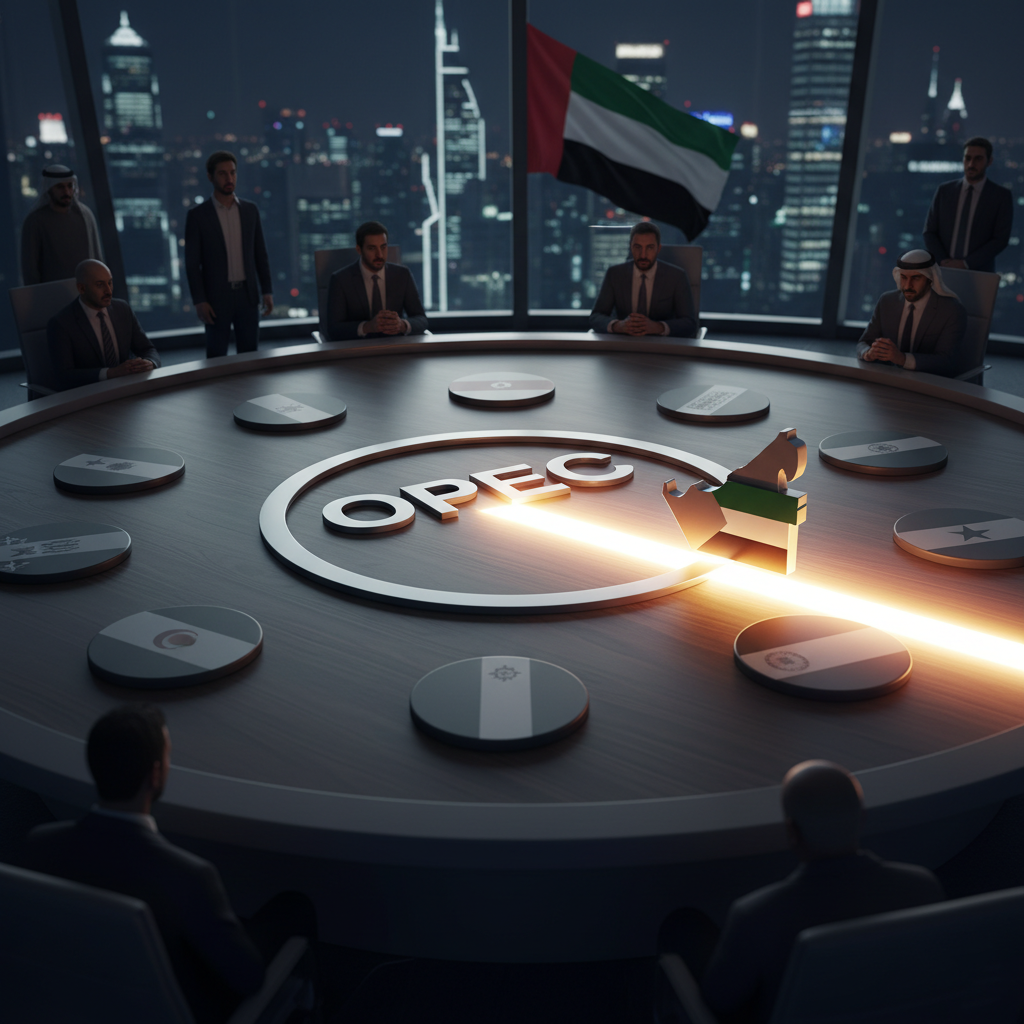
The United Arab Emirates has officially announced its withdrawal from the Organization of Petroleum Exporting Countries (OPEC) and the OPEC + alliance as of May 1. This step comes after a comprehensive strategic review of its oil policies, in a decision that reflects its orientation towards greater flexibility in managing its oil production.
The United Arab Emirates announced a historic decision to withdraw from the Organization of Petroleum Exporting Countries "OPEC" and the "OPEC +" alliance, provided that the decision enters into force early next May, thus ending nearly six decades of membership in the International Petroleum Organization. According to the UAE News Agency, this strategic decision is in line with the country's “long-term strategic and economic vision”, and reflects Rapid development in the UAE energy sector, including enhancing investments in local production and meeting the needs of the global market more flexibly. The withdrawal of the UAE, which produces about 2.9 million barrels per day, is a painful blow to the cohesion of the oil alliance, as economic analysts described this step as "the beginning of the end of OPEC," especially with the repercussions it may have on the organization's ability to manage global oil markets. The UAE authorities said that the decision came after an "extensive review" of the current and future productive policies and capabilities of the state, stressing that the national interest requires this new direction, especially in light of the geopolitical fluctuations in the Arabian Gulf region and the Strait of Hormuz. Despite the official withdrawal, the UAE affirmed its commitment to continue its "responsible role" in stabilizing global oil markets, by gradually increasing production and thoughtful in line with the demands of global demand and market conditions, considering that “the time has come” to focus on national priorities and commitments to international partners. Energy experts warn that this decision may place an additional burden on Saudi Arabia, the de facto leader of OPEC, which produces about 9 million barrels per day, to maintain market balance, with the possibility that other countries will follow Abu Dhabi's example in the near future.
Source: Al-Wehda Al-Arabia News Portal