Font Size:
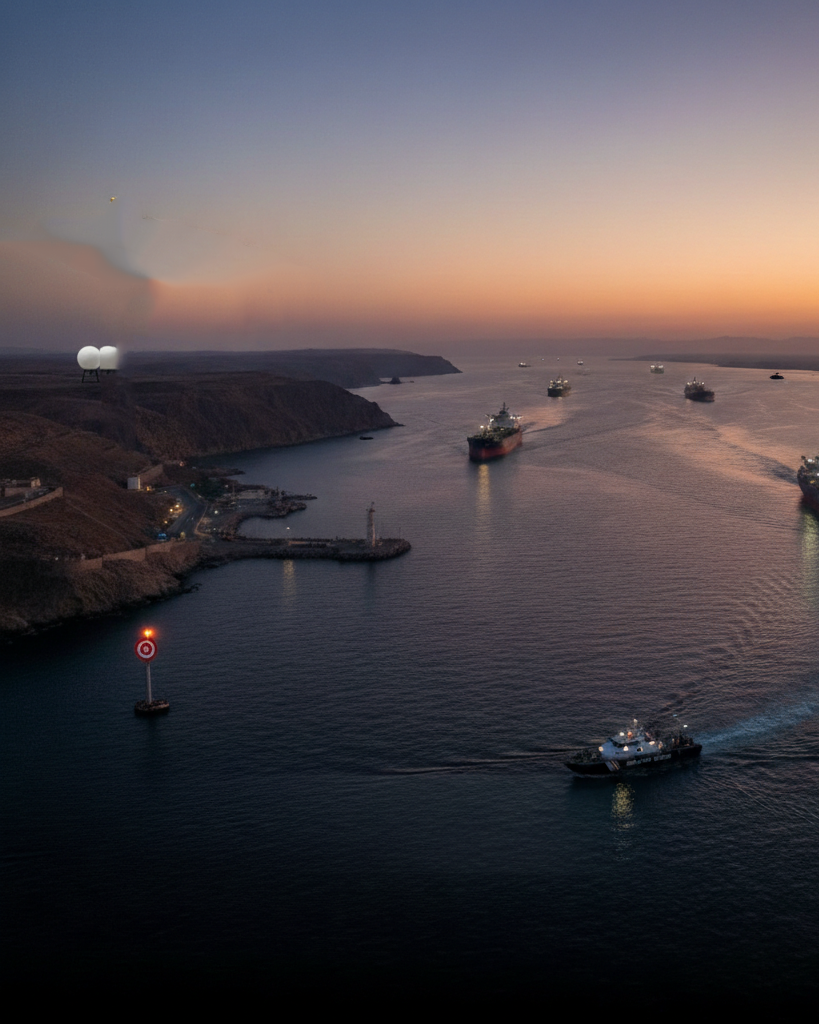
US Central Command (CENTCOM) confirmed the implementation of a full naval blockade on Iranian ports four weeks ago, which succeeded in diverting 67 commercial ships and disrupting 4 others. Meanwhile, Australia and South Korea announced their readiness to join international missions to secure navigation in the Strait of Hormuz.
US Central Command (CENTCOM) revealed new details about its naval operations against Iran, confirming the application of a comprehensive naval blockade on the movement of ships linked to Iranian ports. The leadership explained in an official statement published on the "X" platform that it has taken extensive field measures to ensure compliance with the US measures imposed in the region. According to the statistics revealed by "Centcom", I was able U.S. forces within a four-week period of diverting 67 merchant vessels bound for or departing from Iranian ports. In return, the command allowed the passage of 15 ships carrying humanitarian aid, while 4 other ships were disabled due to their non-compliance with the imposed procedures. The US command indicated that this week it was forced to use force in dealing with two commercial ships, forcing them to change course after communicating with them over the radios and firing warning shots with light weapons. CENTCOM confirmed that US enforcement operations are “fully underway” without interruption. Internationally, Australian Defense Minister Richard Marls announced his country's readiness to join a defense mission led by France and Britain to secure navigation through the Strait of Hormuz. Marls explained that the mission would be multinational, independent and purely defensive, designed To complement diplomatic and de-escalation efforts while ensuring the security of international trade. For its part, South Korea has expressed its readiness to gradually contribute to efforts to ensure the safety of navigation through the Strait of Hormuz, as South Korean Defense Minister An Jiu-Pak said that Seoul is considering taking supportive steps without reaching the limit of direct military participation. These developments come as regional tensions escalate and the United States tightens its military measures navies to control navigation in the area.
Source: Al-Wehda Al-Arabia News Portal