Country
Social Transformations in Modern Arab Societies
About this Study
Study Content
Introduction:
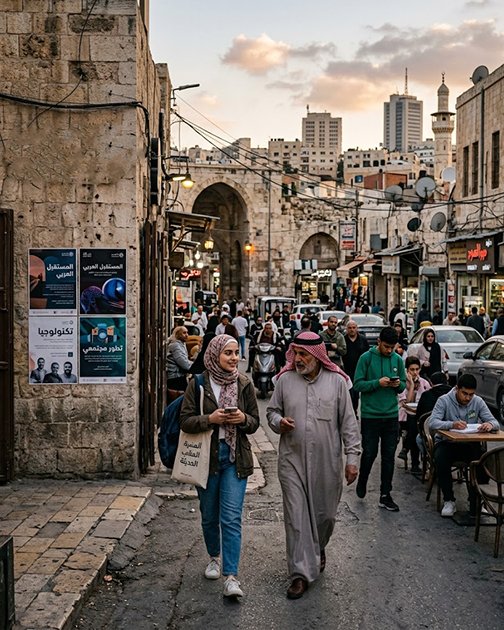
Arab societies have witnessed profound social transformations throughout the 20th century and the beginning of the 21st century, directly affecting daily life, human relationships, and cultural values. These changes have resulted from a complex set of factors, including urban expansion, technological development, media openness, economic shifts, and political changes across the region.
Today’s Arab societies no longer resemble their traditional form from decades ago. Family structures have changed, patterns of work and education have evolved, and new behaviors and values have emerged under the influence of globalization, digital culture, and global openness.
At the same time, these transformations have created ongoing debate within Arab societies between those seeking to preserve traditional identity and those pushing toward modernization and openness, making social change one of the most influential issues shaping the region’s future.
1. Concept of Social Transformations:
• Definition of social change:
Social transformation refers to changes in the structure of society, patterns of relationships, values, and behaviors over time due to economic, political, cultural, or technological factors.
• Transformation as a continuous process:
Social change does not occur suddenly but develops gradually over long periods, and may accelerate during major events or global shifts.
• Link to modernization:
Social transformations are often associated with modernization, urbanization, and technological progress, which reshape lifestyles within society.
2. From Traditional to Modern Society:
• Changing social relationships:
Traditional societies were based on family, tribal, and small community ties, while modern life expanded social relations beyond these frameworks.
• Urban migration:
Migration from rural areas to cities significantly changed lifestyles, as cities became centers for work, education, and services.
• Decline of traditional patterns:
Some traditional customs gradually declined in favor of more modern and globally influenced lifestyles.
3. Education and Social Change:
• Spread of modern education:
Education increased social and political awareness and reshaped individuals’ perceptions of life, work, and relationships.
• Social mobility:
Education became a key tool for improving social and economic status, changing the position of different groups within society.
• Changing role of women:
Education increased women’s participation in public life and the workforce, significantly reshaping family structures.
4. Media and Technology:
• Digital revolution and global openness:
Social media and the internet exposed Arab societies to new cultures and ideas, accelerating social change.
• Changing communication patterns:
Digital communication became central to daily life, reshaping human interaction and social behavior.
• Media influence on values:
Media platforms promoted new lifestyles, consumption patterns, and ways of thinking, especially among youth.
5. Economic Change and Social Impact:
• Changing nature of work:
Economic development created new industries and jobs while reducing traditional occupations.
• Rising cost of living:
Economic pressure altered family behavior, spending patterns, and decisions related to marriage and childbirth.
• Growing social inequality:
In some countries, economic changes widened the gap between social classes.
6. Transformation of the Arab Family:
• From extended to nuclear family:
The nuclear family has become more common than the traditional extended family model.
• Changing family roles:
Women’s participation in work and economic pressures reshaped roles within the modern family.
• Decline of traditional customs:
Some marriage and family traditions have gradually declined.
7. Youth and Cultural Change:
• Changing interests of new generations:
Younger generations are more connected to digital and global culture, influencing their thinking and interests.
• Impact of globalization:
Global openness introduced new cultural patterns, some aligning with local values and others sparking debate.
• Search for identity:
Many young people face the challenge of balancing cultural identity with modern global influences.
8. Challenges of Social Transformation:
• Tradition vs modernity conflict
• Psychological and social pressures
• Weakening of social ties
• Cultural and intellectual polarization
9. Women and Social Change:
• Increased economic participation
• Growth in education and public roles
• Ongoing debates about social roles
10. Future of Social Change in the Arab World:
• Continued rapid transformation
• Growing role of technology and AI
• Need for balance between identity and modernization
• Youth as key drivers of future change
Conclusion:
Social transformations in Arab societies reflect profound changes that have shaped the region in recent decades, influenced by technology, economics, media, and globalization. While these changes have created new opportunities for development and openness, they have also introduced challenges related to identity, social stability, and cultural balance.
The future of Arab societies will depend on their ability to manage these transformations in a way that supports development and modernization while preserving cultural and social identity.